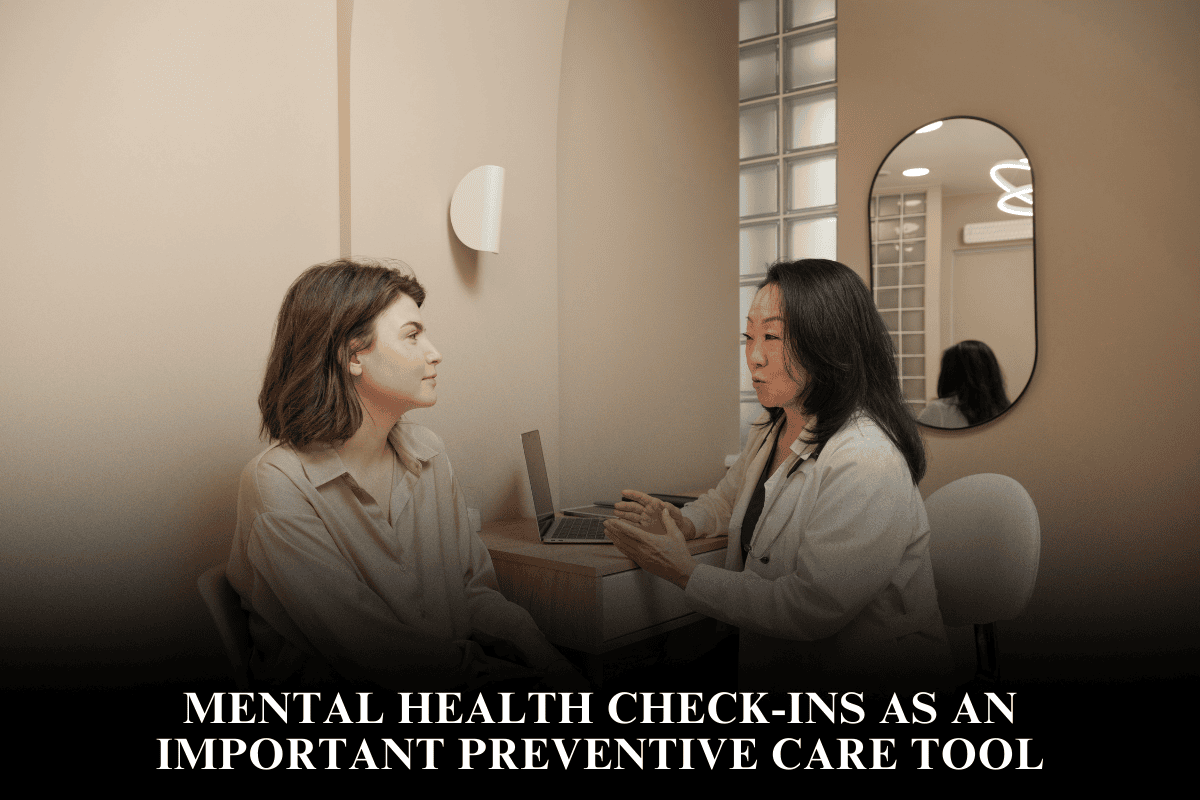
Mental health check-ins serve as essential preventive care tools, catching issues like anxiety or depression early to prevent escalation and promote long-term well-being. Regular self-assessments or professional screenings normalize mental health maintenance like physical checkups, reducing stigma and costs of untreated conditions.
Why Check-Ins Matter
Routine mental health screenings detect subtle changes in mood, sleep, or stress before they disrupt daily life. Early intervention improves outcomes by 50% for conditions like depression, cutting risks of hospitalization or chronic issues. They also lower physical health costs, as untreated mental illness raises medical expenses 2.8-6.2 times due to links with heart disease and immunity.
How to Conduct Check-Ins
Use validated tools like PHQ-9 for depression or GAD-7 for anxiety during primary care visits, workplace wellness programs, or apps. Weekly self-reflection questions—”How’s my energy? Am I enjoying activities?”—track patterns; journal responses or share with a therapist quarterly.
Primary care integration makes screenings accessible; telehealth options boost convenience for rural or busy individuals. Pair with lifestyle tracking via wearables for holistic insights.
Benefits for Preventive Care
Check-ins build resilience by identifying stressors early, enabling coping strategies like mindfulness or therapy. They prevent progression to severe states, including suicidal ideation, and enhance quality of life through better emotional regulation.
Stigma reduction occurs as routine screenings signal mental health equals physical health. Long-term, they support productivity, relationships, and reduced societal costs from untreated disorders.
Integrating into Daily Life
Schedule annual professional check-ins like physicals; employers often cover them via EAPs. Daily 5-minute practices—deep breathing, gratitude lists—complement formal assessments. Families benefit from shared check-ins to foster open dialogue.
For high-risk groups like postpartum parents or youth, monthly screenings via schools or apps prevent crises. Track progress with follow-ups to adjust plans dynamically.
Overcoming Barriers
Address access via free online tools (e.g., Mental Health America screens) or low-cost community clinics. Privacy concerns ease with anonymous digital platforms, encouraging participation.
FAQs
1. How often should I do mental health check-ins?
Weekly self-checks plus professional screenings every 6-12 months, or more if stressed.
2. Are self-screening tools accurate?
Yes, validated ones like GAD-7 reliably flag issues for professional follow-up.
3. Do check-ins help with physical health?
Absolutely—managing stress cuts risks of hypertension, diabetes, and weakened immunity.
4. What’s covered by insurance?
Many plans treat screenings as preventive care at no cost; check ACA mandates.
5. Signs I need immediate help post-check-in?
Persistent hopelessness, panic attacks, or harm thoughts—contact crisis lines like 988.