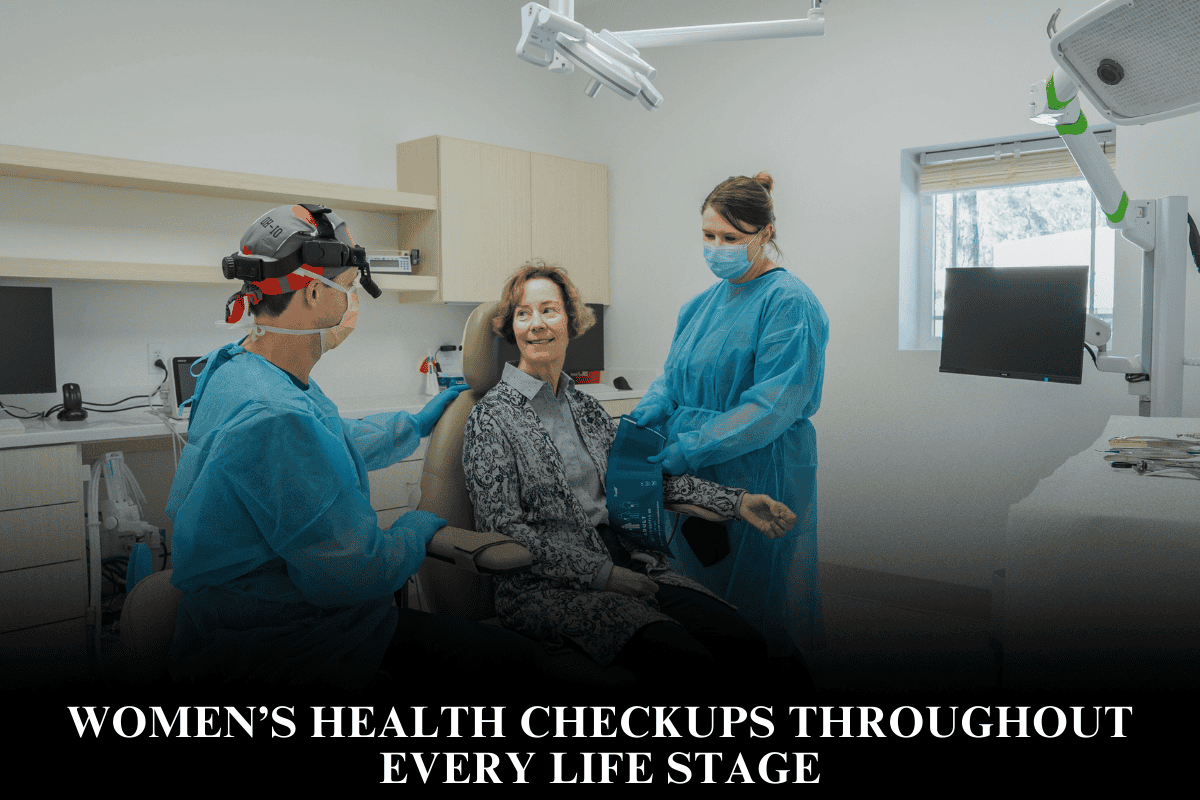
Women’s health checkups evolve with life stages, from reproductive years through menopause and beyond, focusing on prevention, early detection, and age-specific risks like cancer, bone density, and heart disease.
Regular screenings recommended by USPSTF, ACOG, and CDC save lives by catching issues early, tailored to factors like family history and lifestyle. These visits also cover counseling on contraception, mental health, and wellness.
Teens and 20s: Building Foundations
Annual well-woman exams start at age 21, including Pap smears every 3 years for cervical cancer screening until 29, plus STI tests like chlamydia and gonorrhea for sexually active women under 25. Blood pressure checks every 3-5 years, dental/vision exams biennially, and education on menstruation, contraception, and healthy weight set lifelong habits. HPV vaccine series completes by 26, with flu shots yearly.
30s and 40s: Reproductive and Cancer Focus
Pap/HPV co-testing shifts to every 5 years from 30-65, alongside clinical breast exams and risk assessments—mammograms begin at 40 or earlier with family history. Cholesterol, blood sugar (A1C), and blood pressure screenings ramp up annually if risks like obesity exist; colorectal cancer discussion starts at 45. Thyroid checks, anemia screening for heavy periods, and preconception counseling prepare for family planning.
50s and Menopause Transition
Annual mammograms continue, with colonoscopies every 10 years from 45-75; osteoporosis bone density scans start at 65 or sooner post-menopause. Lung cancer screening for smokers over 50 (ages 50-80, 20-pack-year history), plus diabetes and lipid panels yearly. Shingles vaccine at 50, pneumococcal for risks, and hormone discussions address hot flashes, sleep, and bone health.
65+: Longevity and Chronic Disease
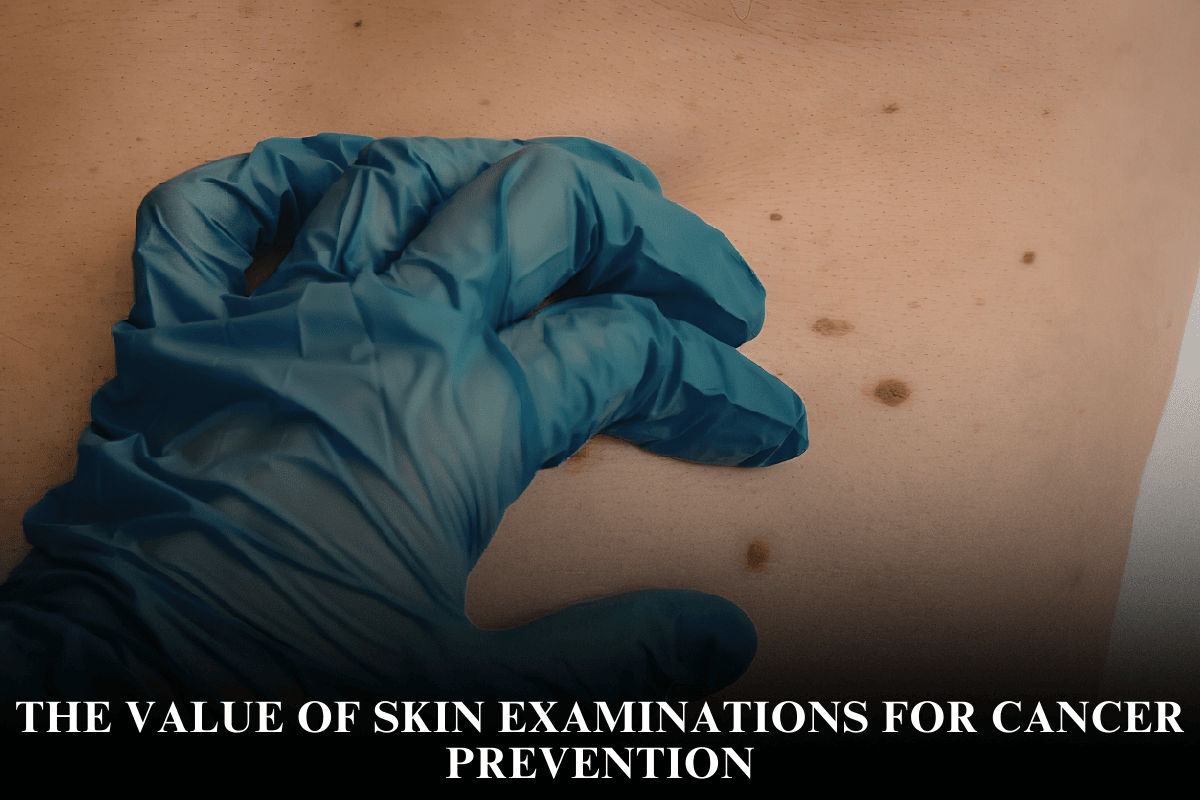
Cervical screening may stop at 65 if prior normals; intensify colorectal, breast, and lung checks per risks. Annual blood work, cognitive assessments, fall prevention, and vaccinations (flu, pneumonia, COVID boosters) combat frailty. Skin cancer exams for sun exposure history; discuss hearing aids and mobility aids.
Pregnancy and Postpartum Care
Every trimester: blood pressure, urine protein, glucose challenge for gestational diabetes, ultrasounds, and group B strep tests. Postpartum: 6-week checkup covers mental health screening, contraception, and breastfeeding support; resume routine screenings 6-12 weeks later.
FAQs
1. When should I start mammograms?
Age 40 for average risk, or earlier (30s) with family history; annual or biennial based on provider guidance.
2. Do screenings stop after 65?
No—tailor to health/life expectancy; cervical often ends if prior negatives, but breast/colorectal continue.
3. How often are Pap smears needed?
Every 3 years (21-29), then Pap/HPV every 5 years (30-65); stop at 65 if low risk.
4. What if I have risk factors like smoking?
Lung CT from 50-80; intensify all via shared decision-making with your doctor.
5. Are these covered by insurance?
Yes, under ACA preventive services—no copay for guideline-based screenings.