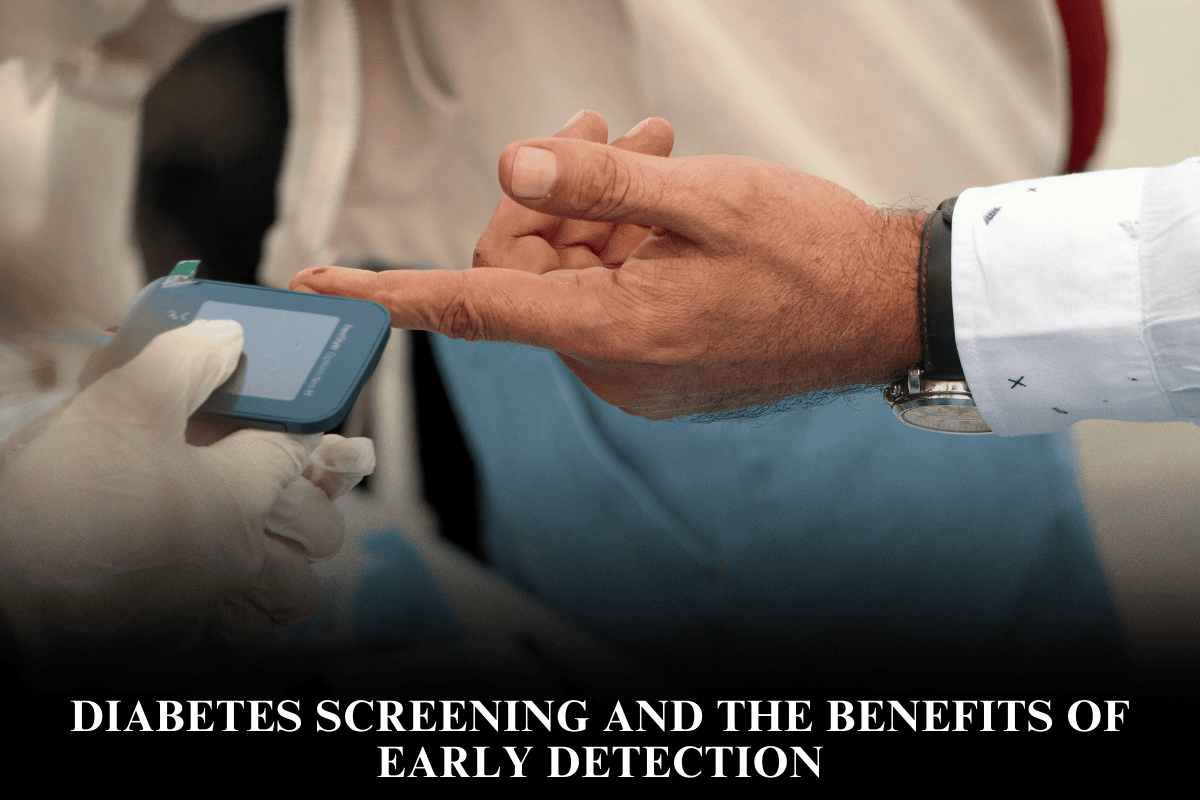
Diabetes screening involves simple blood tests to detect prediabetes or type 2 diabetes before symptoms appear, enabling timely interventions that prevent complications. In the USA, organizations like the USPSTF and ADA recommend routine checks starting at age 35 for overweight adults, with 2026 updates emphasizing broader risk-based testing. Early detection slashes risks of heart disease, kidney failure, and vision loss by up to 50% through lifestyle changes or medications.
Current Screening Guidelines
The USPSTF advises screening adults aged 35-70 with overweight or obesity (BMI ≥25) using A1C, fasting plasma glucose, or oral glucose tolerance tests, repeating every 3 years if normal. ADA’s 2026 Standards of Care expand to all adults 45+ or younger with risks like family history, gestational diabetes, or PCOS, favoring annual A1C for simplicity. High-risk groups—Black, Hispanic, Native American, Asian American adults—start earlier regardless of weight.
Pregnant individuals get universal screening at 24-28 weeks; children with obesity or risks from age 10. Free community tests via pharmacies like CVS or health fairs lower barriers.
Types of Screening Tests
A1C measures average blood sugar over 2-3 months (prediabetes: 5.7-6.4%; diabetes: ≥6.5%), needing no fasting. Fasting glucose (100-125 mg/dL prediabetes) requires 8-hour abstinence. OGTT (140-199 mg/dL prediabetes) uses a glucose drink, gold standard for gestational cases. Point-of-care finger sticks suit quick checks, while lab tests confirm positives.
No single test rules out diabetes—two positives from different methods diagnose.
Risk Factors Prompting Screening
Beyond age and BMI, family history doubles odds; physical inactivity, poor diet, and hypertension add layers. Sleep apnea, steroid use, or acanthosis nigricans signal checks. 2026 ADA adds autoantibody screening for presymptomatic type 1 in high-genetic-risk families, using IA-2, GAD, or ZnT8 tests.
Over 96 million Americans have prediabetes; screening catches 80% asymptomatic cases.
Benefits of Early Detection
Detecting prediabetes allows lifestyle tweaks—5-7% weight loss, 150 minutes weekly exercise—reversing it in 58% per Diabetes Prevention Program. Early type 2 treatment with metformin cuts progression 31%. Long-term: 21% lower heart attack risk, 40% kidney protection, neuropathy delay. CGM use from diagnosis aids insulin users, per 2026 guidelines.
Economic wins: $1 screening saves $3,800 in future costs; workplace programs boost productivity.
Lifestyle and Medical Interventions
Post-screening, ADA-endorsed programs offer coaching for diet (Mediterranean focus), exercise, and sleep. Metformin suits high-risk prediabetes; SGLT2 inhibitors protect kidneys early. Tech like apps (MyFitnessPal) or wearables track progress. Annual anxiety/hypoglycemia screens ensure holistic care.
Vaccinations, foot checks, and eye exams start immediately.
Barriers to Screening and Solutions
One-third skip tests due to access, cost, or stigma. Free USPSTF-covered Medicare/Medicaid screenings, telehealth A1C kits, and employer fairs bridge gaps. Pharmacist-led programs quadruple detection rates in underserved areas.
Community health workers educate minorities, where prevalence hits 13%.
Role of Primary Care and Technology
Doctors integrate screening into wellness visits; EHR alerts flag risks. CGM, mandated for hypoglycemia-prone, monitors trends. 2026 revisions stress sleep screening, tying apnea to insulin resistance.
Long-Term Outcomes and Public Health Impact
Screening averts 1 in 7 amputations; national efforts aim to cut incidence 20% by 2030. States like California mandate worksite programs, modeling success.
FAQs
1. Who should get screened for diabetes first?
Adults 35-70 with overweight/obesity per USPSTF; ADA says all 45+ or younger with risks like family history.
2. How often should screening repeat?
Every 3 years if normal; annually for high-risk or abnormal prior results.
3. What’s prediabetes, and can it reverse?
Blood sugar above normal but below diabetes (A1C 5.7-6.4%); yes, 58% reverse via lifestyle per studies.
4. Are screenings free in the USA?
Often yes—USPSTF B-grade covers Medicare/Medicaid fully; many insurers/pharmacies offer no-cost.
5. Does early detection prevent complications?
Yes, up to 50% risk reduction for heart/kidney issues via prompt lifestyle or meds.