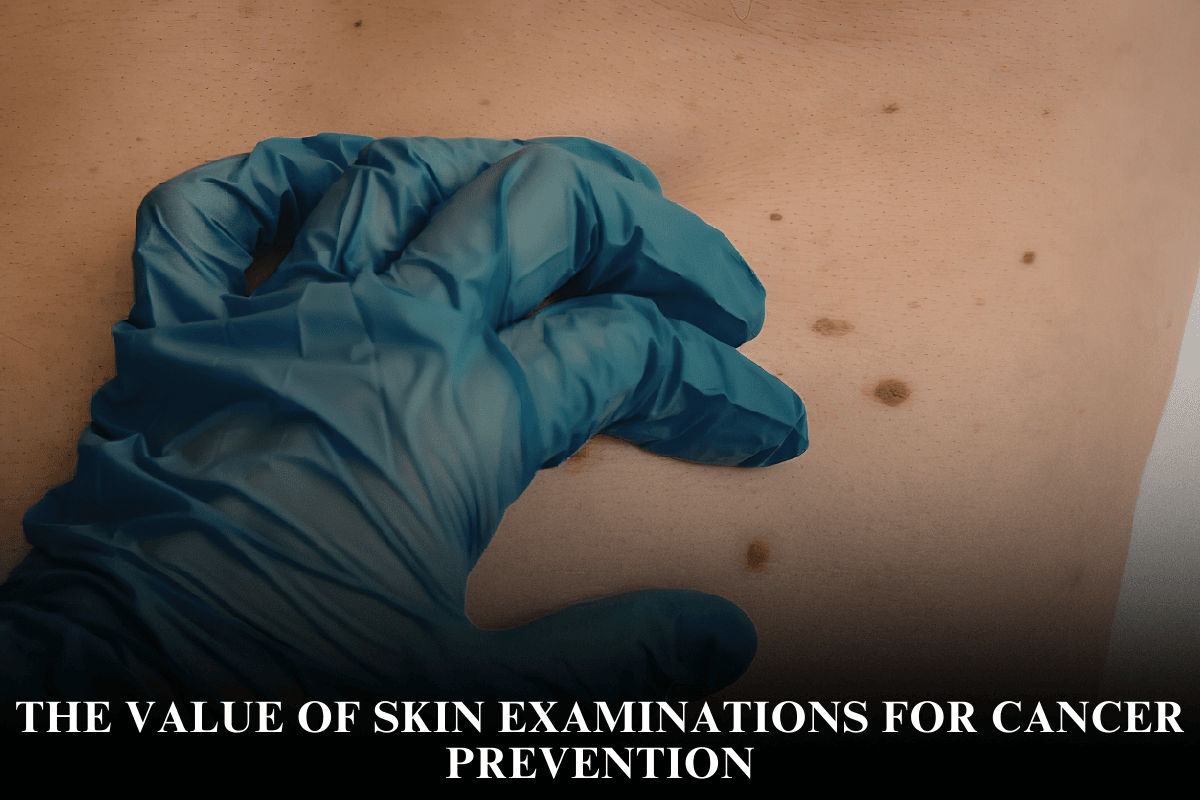
In the United States, regular skin checks save lives by catching melanoma—the deadliest skin cancer—at localized stages where 5-year survival exceeds 99%, compared to 35% for metastatic cases, with over 104,000 invasive diagnoses projected for 2025.
The Skin Cancer Foundation and American Academy of Dermatology (AAD) recommend monthly self-exams and annual dermatologist visits, as 1 in 5 Americans develop skin cancer by age 70, costing $8.1 billion yearly. Early detection via ABCDE rules prevents escalation, especially amid rising UV exposure and tanning bed use affecting 1/3 of adults.
Understanding Skin Cancer Risks
UV radiation causes 90% of non-melanoma and most melanomas, with fair skin, family history, and >50 lifetime sunburns elevating risk 2-3x per CDC data. Indoor tanning before 35 raises melanoma odds 75%; men face higher invasive rates (60,550 vs. 44,410 women in 2025). Precancers like actinic keratosis affect 58 million, progressing if unchecked—self-monitoring catches 77% at curable local stages.
The ABCDE Rule for Self-Exams
AAD’s ABCDE guides monthly checks:
- Asymmetry: One half unlike the other.
- Border irregularity: Ragged, notched edges.
- Color variation: Shades of brown, black, red, white, blue.
- Diameter >6mm (pencil eraser size).
- Evolving: Changes in size, shape, color, symptoms.
Perform in bright light, full-body mirror, using phone photos for tracking—examine scalp, nails, soles, genitals.
When and How to Perform Self-Checks
Monthly, post-shower: divide body into sections (face, arms, etc.), 10-15 minutes. Use magnification/tools for back; partner helps hard spots. Annual pro exams via full-body mapping for high-risk (e.g., >50 moles). Apps like SkinVision AI-assist (90% accuracy) flag concerns, but confirm with derm.
Professional Screening Benefits
Dermatologists detect 99% via dermoscopy/biopsy; SEER data shows localized diagnoses (77%) yield 100% survival vs. distant 34.6%. USPSTF recommends counseling for fair-skinned 18-24s; Medicare covers annual for high-risk. Disparities persist—People of Color underdiagnosed due to low-risk myths, acral melanomas missed.
Prevention Synergies with Checks
SPF 30+ daily, UPF clothing, shade 10am-4pm cuts risk 50%; avoid tanning beds. Biopsy suspicious spots immediately—precancers removed prevent 90% progression.
Risk Group Comparison
Early vigilance closes gaps, stabilizing rates in under-50s.
Barriers and Access Solutions
Cost/time deter 40%; free AAD screenings, tele-derm apps, FQHCs aid underserved. AI/full-body scans emerging for equity.
FAQs
Q. Why do skin checks boost melanoma survival from 35% to >99% in the U.S.?
Local detection (77% cases) allows excision before spread; ABCDE catches asymmetry/color changes early, per SEER/AAD—2025’s 104,960 invasives underscore monthly self-exams saving $3.3B in treatment.
Q. How often should Americans perform self skin exams per Skin Cancer Foundation?
Monthly full-body in bright light, using ABCDE; high-risk (fair skin, moles) add weekly photos—annual derm for all >18, Medicare-covered for at-risk, preventing 90% precancer progression.
Q. What ABCDE traits signal urgent derm visit for potential melanoma?
Asymmetry/border irregularity/color variation (>6mm)/evolving lesions—e.g., changing moles; AI apps flag, but biopsy confirms; tanning bed users (1/3 adults) monitor closely.
Q. Why higher melanoma deaths in men/POC despite lower incidence?
Men: later detection (back lesions missed); POC: acral types overlooked, risk myths delay care—2025 stats: 60k men vs. 44k women cases, emphasizing soles/nails checks.
Q. How does prevention pair with checks to cut U.S. skin cancer costs ($8.1B/year)?
SPF/UPF/shade halves risk; checks catch actinic keratosis (58M affected)—AAD screenings/free apps boost equity, stabilizing young rates amid rising older diagnoses.