In the United States, economic downturns like potential 2025 slowdowns—with GDP growth forecasted at 1.9% amid consumer spending cuts—demand proactive financial strategies to protect households from job loss, inflation, and debt spikes. Experts from CFPB, Dave Ramsey, and CFPs recommend building emergency funds covering 3-6 months of expenses, slashing high-interest debt, and sticking to zero-based budgets to weather recessions without panic selling investments. These steps preserve wealth, as families with robust savings retain 2-3x more liquidity during crises.
Build a Robust Emergency Fund
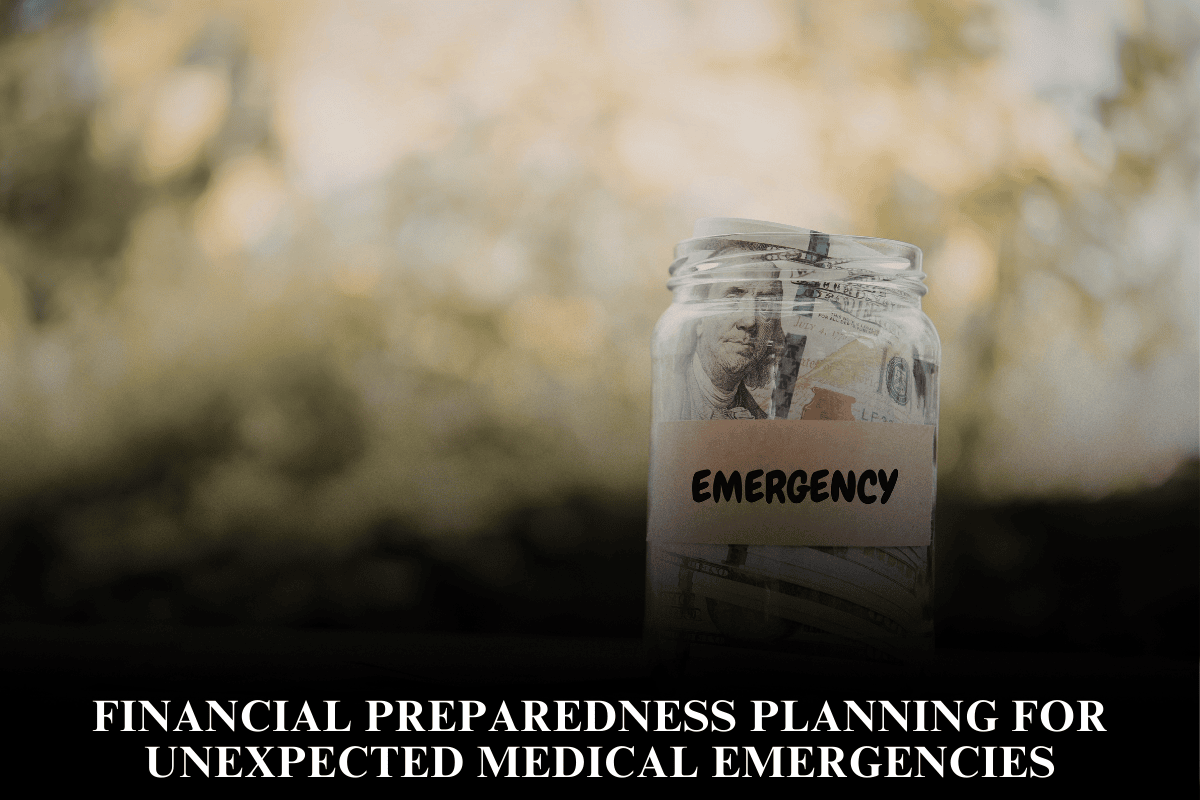
Prioritize 3-6 months of living expenses in a high-yield savings account (current rates 4-5% APY), starting with $1,000 as per Ramsey’s Baby Step 1, then expanding post-debt payoff. CFPB advises automating transfers before payday to hit targets without lifestyle cuts; single-income households aim for 6 months, dual for 3-4 amid layoff risks. New 2025 rules allow penalty-free $1,000 retirement withdrawals for emergencies (repay in 3 years), plus employer-linked emergency savings up to $2,500 annually.
Create and Stick to a Zero-Based Budget
Track every dollar via apps like YNAB or EveryDollar, assigning income to needs (50%), wants (30%), savings/debt (20%)—adjusting for downturns by trimming dining out 50% and subscriptions. Ramsey’s method lists expenses first, forcing intentionality; McKinsey notes 2025 consumers splurge modestly on holidays but cut non-essentials, freeing $200-500/month. Review monthly, prioritizing housing/food over luxuries.
Tackle High-Interest Debt Aggressively
Attack credit card debt (avg. 20%+ APR) via debt snowball—smallest balances first for momentum—or avalanche for interest savings, pausing non-essentials until zero. Avoid new debt; consolidate via 0% balance transfers if credit allows. IRS Fresh Start offers installment plans up to $50,000 (6 years) or Offers in Compromise for hardship, suspending liens under $10,000.
Protect Investments and Income Streams
Ride out market dips—historically rebounding 20-30% post-recession—avoiding sales at lows; Ramsey urges mutual funds when cheap, post-debt/savings goals. Diversify side hustles (gig apps, freelancing) for 10-20% extra income; update resumes quarterly if job shaky. 401(k) contributions continue for matches (free money).
Leverage Government and Tax Relief
Explore SNAP, unemployment extensions, and mortgage forbearance; TAS Act mandates IRS notifications for hardship relief like penalty abatement. Student loans pause via providers; track via IRS hardship programs proving income drops (self-employed 25%+ qualifies).
Sector Comparison: Budget Adjustments
These shifts build resilience, per FINRA’s 46% of adults with 3-month funds dropping amid uncertainty.
Long-Term Habits for Recovery
Post-downturn, redirect savings to retirement/investments; build credit for better rates. Annual reviews prevent complacency.
FAQs
Q. How much emergency savings is ideal during 2025 U.S. downturn risks?
3-6 months expenses (6 for singles), in high-yield accounts; start $1,000, automate pre-payday transfers—CFPB/2025 rules add $1,000 penalty-free IRA pulls repayable in 3 years.
Q. What’s Dave Ramsey’s top debt strategy for recessions, and why snowball over avalanche?
Debt snowball: smallest balances first for quick wins/momentum, freeing cash flow; pay minimums on rest, roll payments—beats avalanche psychologically, enabling full payoff pre-job loss.
Q. Should I stop 401(k) contributions or sell stocks in downturns?
No—continue for matches (100% ROI), hold investments long-term (rebounds average 20-30%); buy mutual funds low post-debt/savings, avoiding fear-based losses.
Q. What IRS relief exists for tax debt during economic hardship?
Fresh Start: $50K installments (6 years), OIC settlements, liens paused <$10K; prove hardship via income/expenses—self-employed 25% drops qualify for abatements.
Q. How to budget effectively when income drops 20-30%?
Zero-based: list essentials first (50/30/20 rule), cut wants 50%, track via apps; side hustles add buffer—McKinsey shows modest splurges sustain morale without derailing recovery.