Blood pressure readings provide a vital snapshot of cardiovascular health, measured in millimeters of mercury (mmHg) as two numbers: systolic (top) over diastolic (bottom).
In the USA, the American Heart Association (AHA) and American College of Cardiology (ACC) classify readings to guide prevention and treatment, with normal under 120/80 mmHg. Understanding these numbers empowers proactive management, as 47% of adults have hypertension, raising risks for heart disease and stroke.
Breaking Down the Numbers
Systolic pressure reflects artery force when the heart beats, typically 120 mmHg or lower in healthy adults; it rises naturally with age due to stiffer vessels. Diastolic measures resting pressure between beats, ideally below 80 mmHg, indicating vascular relaxation. A reading like 118/76 mmHg means systolic 118, diastolic 76—spoken as “118 over 76.”
Pulse pressure (systolic minus diastolic) over 60 mmHg signals potential stiffness; mean arterial pressure estimates overall flow. USA guidelines use averages from multiple readings, taken in both arms initially.
USA Blood Pressure Categories
AHA/ACC categories, updated 2017, prioritize earlier intervention:
- Normal: <120 systolic AND <80 diastolic. Maintain lifestyle; monitor yearly.
- Elevated: 120-129 systolic AND <80 diastolic. Lifestyle changes prevent progression.
- Stage 1 Hypertension: 130-139 systolic OR 80-89 diastolic. Add meds if high risk (diabetes, prior events).
- Stage 2 Hypertension: ≥140 systolic OR ≥90 diastolic. Meds plus lifestyle; urgent evaluation.
- Hypertensive Crisis: >180/120 mmHg. Seek ER care immediately.
Children/teens use age/height percentiles; pregnancy thresholds differ.
Factors Influencing Readings
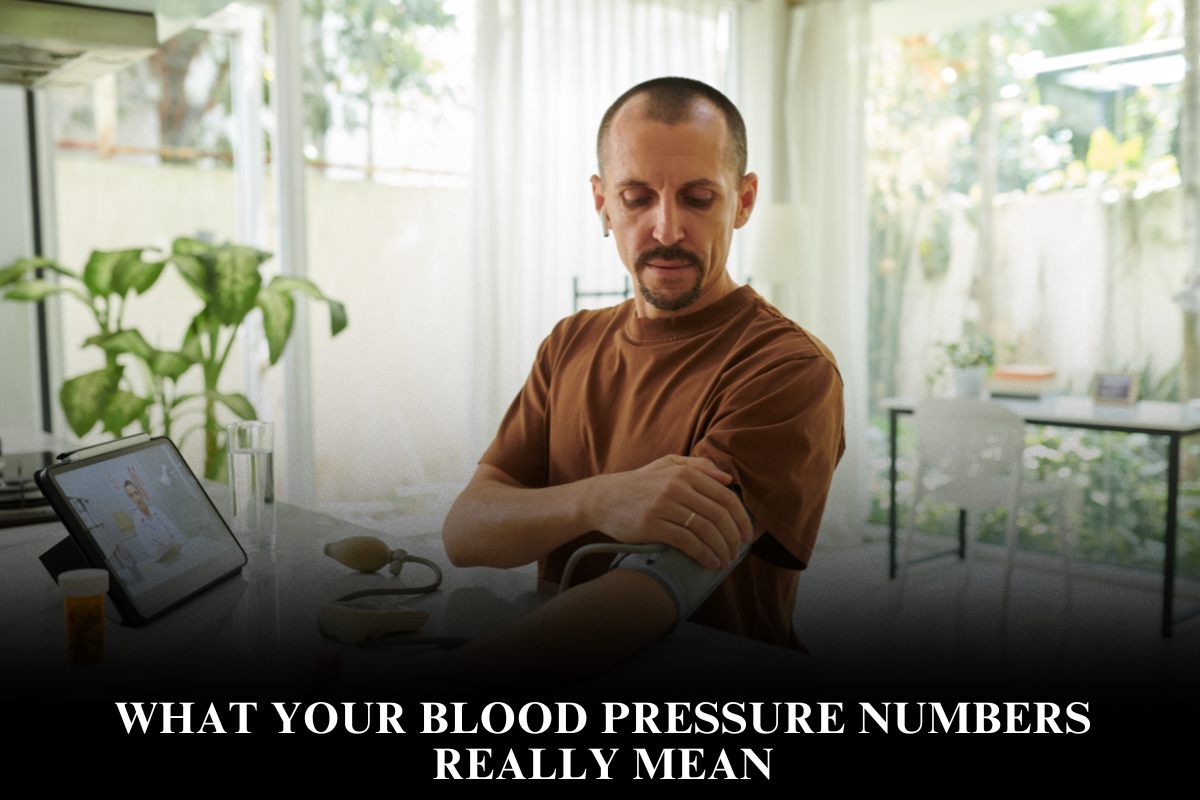
Readings fluctuate with stress (“white coat” hypertension affects 15-30%), caffeine, exercise, or tobacco—retest calmly after 5 minutes rest, arm supported at heart level. Masked hypertension (normal office, high home) impacts 10-20%; home monitors validate.
Demographics matter: African Americans face 50% higher rates; obesity adds 20-30 mmHg systolic.
Health Risks of Abnormal Numbers
Elevated pressure silently damages arteries, raising 10-year heart disease risk 2-4x; stage 2 triples stroke odds. Kidneys suffer first—20% end-stage cases tie to hypertension. Isolated systolic (common over 60) predicts events independently.
Accurate Measurement Tips
Use validated cuffs (AHA list); avoid tight clothes. Sit quietly, feet flat, no crossing legs. Annual professional checks; apps track trends. Ambulatory monitoring confirms whites coats.
Management and Lifestyle Changes
Diet: DASH lowers 8-14 mmHg (potassium-rich fruits/veggies). Exercise 150 minutes weekly drops 5-8 mmHg. Limit sodium <2,300 mg/day; alcohol ≤1-2 drinks. Weight loss: 1 mmHg per pound shed. Meds like ACE inhibitors for stage 2.
When to Seek Care
New highs, symptoms (headaches, vision blur), or family history warrant checks. Annual for adults 40+; more if risks.
FAQs
1. What does 130/85 mean?
Stage 1 hypertension—lifestyle first; meds if risks present, per AHA/ACC.
2. Is 120/80 truly normal?
Yes, but optimal <120/80; 120-129/<80 is elevated, signaling prevention.
3. Why measure both arms?
Differences >10 mmHg indicate risks; use higher arm ongoing.
4. Can stress alone raise numbers?
Yes, white coat effect; home logs confirm sustained hypertension.
5. How often check at home?
Twice daily morning/evening for 7 days monthly if diagnosed; share averages with doctor.